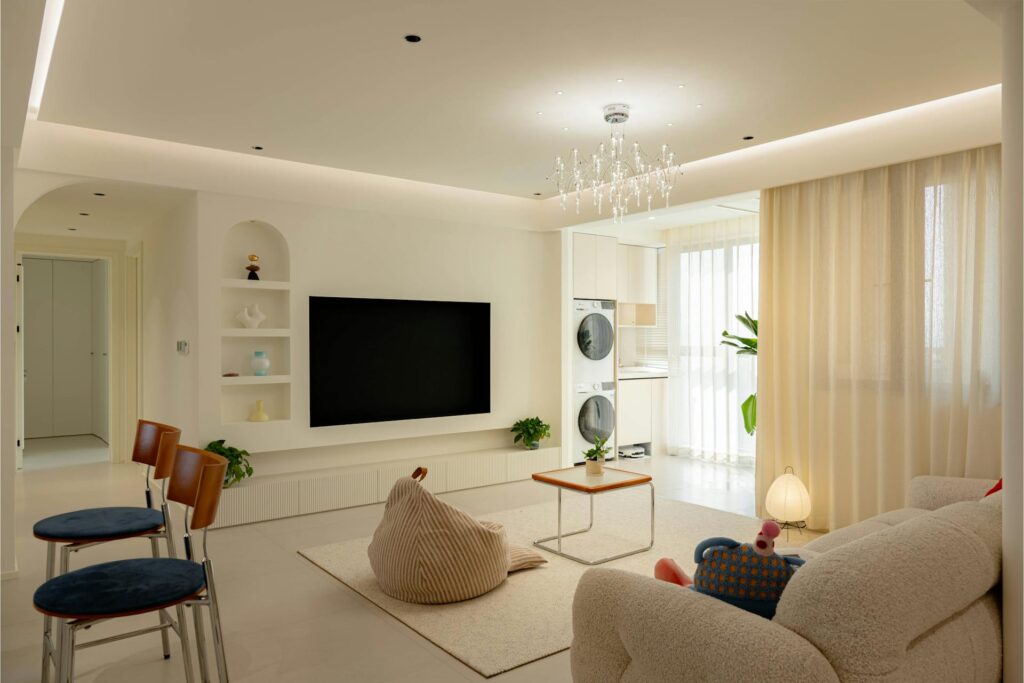
You’ve added cushions. Swapped out the lighting. Maybe even painted the walls or bought new furniture. On paper, everything should feel warm and inviting.
But it doesn’t.
The space still feels a bit flat. A bit unwelcoming. Like something is missing, even though you cannot quite put your finger on it.
In many cases, the issue is not your décor at all. It is what sits underneath everything. Surfaces like flooring quietly shape how a room feels, and if they lack warmth or texture, the entire space can feel cold no matter how much you decorate around them. That is why some homeowners start looking into materials like GatherCo travertine floor tiles when they realise the foundation of the room is what is holding everything back.
Why décor alone is not enough
Most people focus on what they can easily change. Soft furnishings, colours, and accessories are quick wins, but they sit on top of the space rather than defining it.
The foundation sets the tone
Your flooring, walls, and large surfaces take up the majority of the visual space in a room. If those elements feel cold, everything placed on top of them struggles to compensate.
Even beautifully styled furniture can feel disconnected if the base of the room lacks warmth or depth.
Contrast and texture matter more than colour
You can fill a room with warm colours, but if everything is smooth, flat, and uniform, it will still feel lifeless.
What creates warmth is variation. Subtle differences in tone, natural textures, and materials that reflect light in different ways.
The real culprit: flat, uniform surfaces
One of the most common reasons a home feels cold is overly uniform finishes.
Too clean can feel too clinical
Highly polished floors, perfectly even surfaces, and minimal variation can make a space feel more like a showroom than a home.
While this look can seem modern at first, it often lacks the depth needed to feel comfortable long-term.
Lack of natural variation
Materials that are too consistent do not interact with light in an interesting way. This creates a flat appearance, especially in larger spaces.
Natural materials tend to solve this problem because they have built-in variation.
How to introduce warmth without a full renovation
You do not need to rip everything out to fix the problem. There are practical ways to add warmth and depth to your space.
Layer in texture deliberately
Instead of focusing only on colour, think about how different surfaces feel visually.
- Add rugs with visible texture, not just flat patterns
- Use throws, cushions, and fabrics with depth
- Incorporate natural materials like wood, stone, or woven elements
These layers help break up flat surfaces and make the room feel more dynamic.
Soften hard edges
Sharp lines and rigid layouts can contribute to a cold feeling.
- Choose furniture with softer shapes
- Introduce curved elements where possible
- Avoid overly symmetrical arrangements
A slightly more relaxed layout makes a space feel lived-in rather than staged.

Lighting plays a bigger role than you think
Even the best materials can look cold under the wrong lighting.
Avoid relying on a single light source
One overhead light tends to flatten everything. It removes shadows and reduces the depth that makes a room feel inviting.
Use layered lighting instead
A combination of light sources creates a warmer atmosphere:
- Floor or table lamps for soft ambient light
- Accent lighting to highlight textures
- Warmer bulbs to reduce harshness
This approach helps surfaces look richer and more natural.
When the flooring is the limiting factor
Sometimes, the flooring itself is the main issue.
Signs your floor is working against you
- The room feels cold even after decorating
- Light reflects harshly or unevenly
- The surface looks flat from every angle
If you recognise these signs, it may be worth considering how much impact your flooring is having on the overall feel of the space.
What to look for instead
Materials that add warmth tend to share a few characteristics:
- Natural variation in tone and texture
- A matte or lightly finished surface
- Subtle imperfections that create visual interest
These qualities help a room feel grounded and comfortable rather than sterile.
Small changes that make a noticeable difference
If replacing flooring is not an option, there are still ways to improve the feel of your space.
Use zoning to your advantage
Break up large areas with rugs or furniture groupings. This creates smaller, more intimate sections within a room.
Add visual anchors
Large, grounded elements like coffee tables, plants, or statement pieces help balance out flat surfaces and add depth.
Bring in natural elements
Even a few well-placed natural features can shift the tone of a room:
- Indoor plants
- Wooden accents
- Stone or ceramic décor
These details introduce subtle variation that makes the space feel more alive.
Creating a space that feels genuinely warm
A warm home is not about adding more things. It is about creating balance.
When your base surfaces, lighting, and textures all work together, the space starts to feel cohesive. Comfortable. Lived-in.
If your home still feels cold after decorating, it is usually a sign that the issue runs deeper than styling. Once you address the foundation, everything else starts to fall into place more naturally.
And that is when your home stops feeling like a collection of pieces and starts feeling like a space you actually want to spend time in.